I plan and build Shopify stores and apps around how customers shop and how your team works. Built into Shopify, so your team can edit it and the next step needs no rebuild.
Clean Shopify foundations, for Shopify and Shopify Plus brands that plan to grow.
70+ stores worked on
Up to four partnerships at a time
You keep the code
Replies within 48 hours
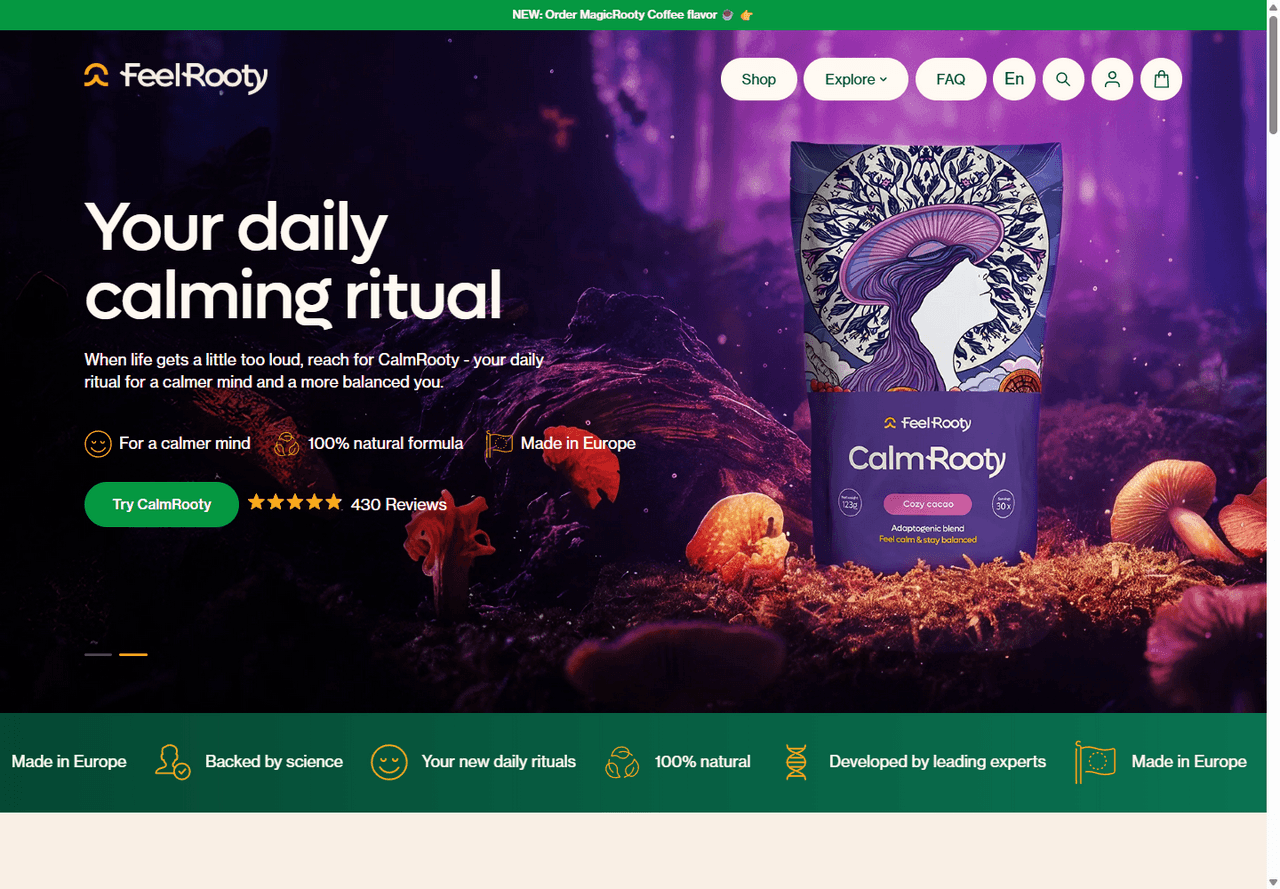
feelrooty.com
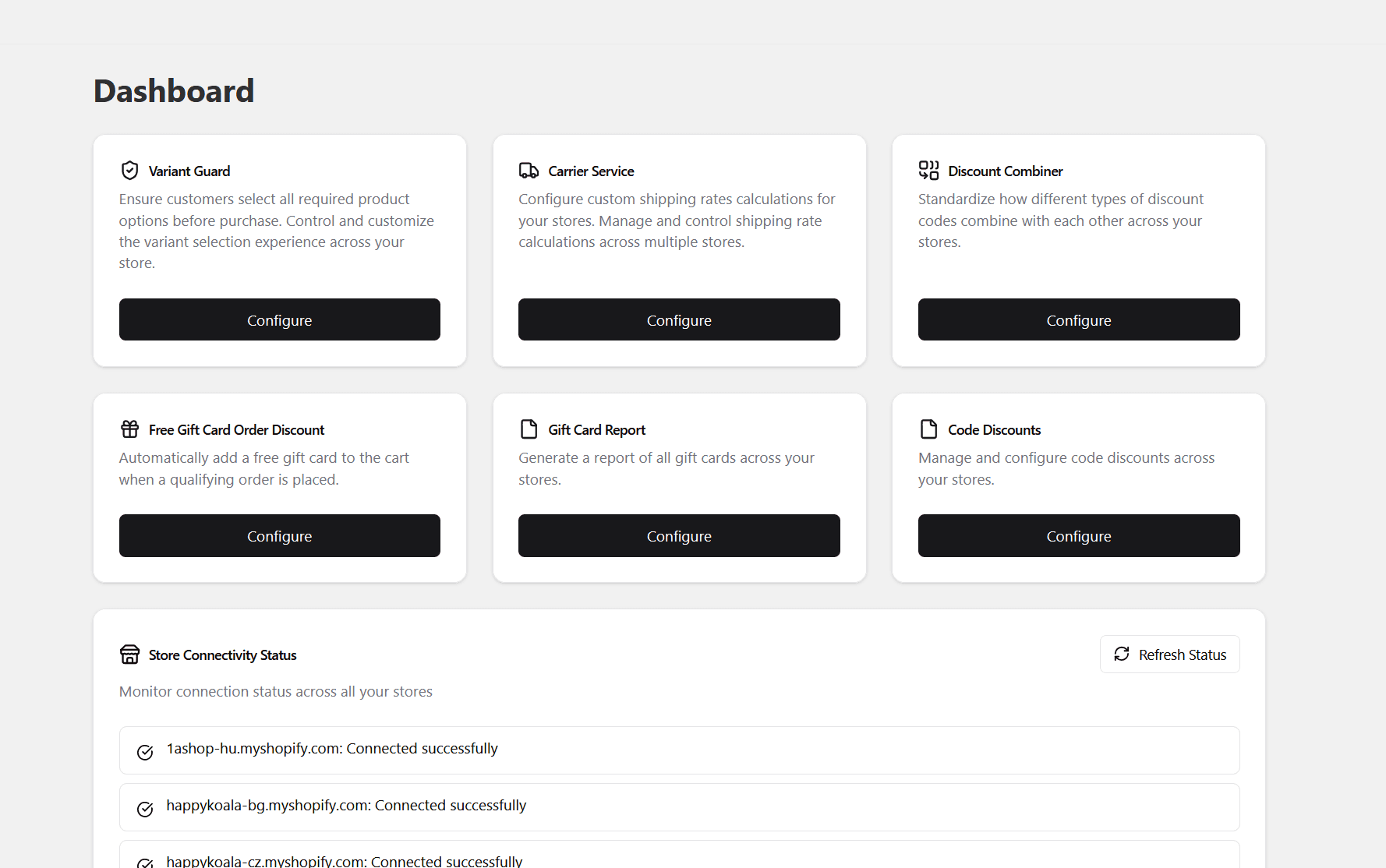
cilifrik.com
androja.dev×Shopify Partner
Simple to run, ready for what's next.
I plan the architecture and build it myself, from the backend rules to the storefront. Every feature goes into Shopify itself, so your team can change it and the next step builds on it.
Simple to operate.
Your team runs it from Shopify admin, or leaves it to me.
Simple products, variants and bundles
Pages, offers and translations in one place
Changes and translations checked before release
What your team changesChecked before release
Shopify admin / or leave it to me
Products, variants, bundlesProducts
Pages and sectionsTheme editor
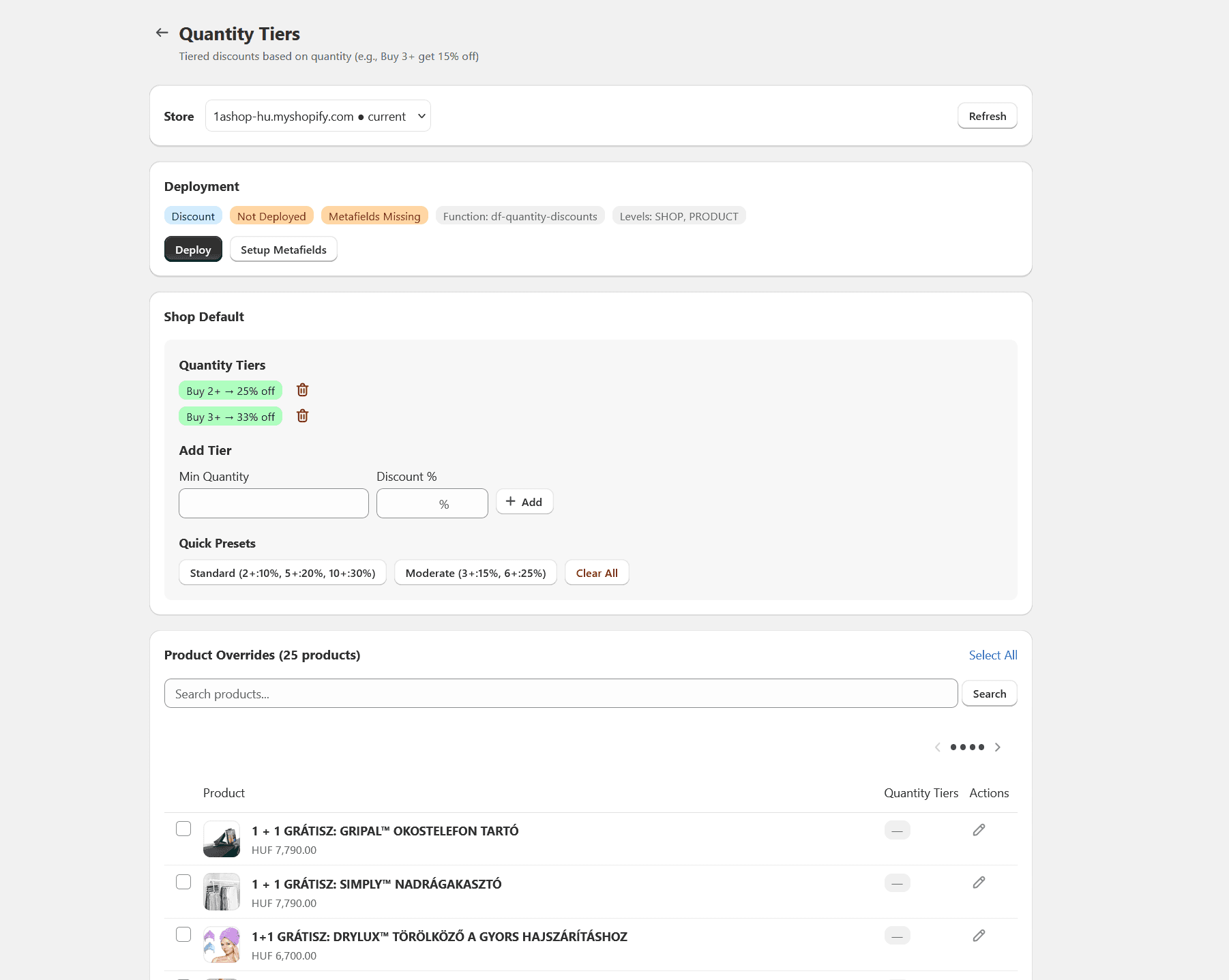
Offers and campaignsOne app
TranslationsPer market
Illustrative. Where each control lives.
Ready to scale.
A new store, market, Plus or a headless storefront builds on what exists.
Each rule in one place
Fewer app subscriptions
Pages load complete, in your design
The next step builds on what existsNo rebuild
Whichever comes next
New storeNew marketShopify PlusHeadless
Built into ShopifyReady
Data in Shopify's own fields
Rules in one app
Storefront on top
Illustrative. What I can build, not a shipped result.
Ready to grow.
The features bigger stores run, on the same foundation.
Several funnels, each with its own offers
Landing pages that match the ad
Segment offers, A/B tests, tracking from ad to order
You know the next piece: a migration, a custom app or a new feature.
You have a design, and the store should match it without app widgets.
You're starting out and want a setup you won't have to rebuild.
Not for The lowest bid, a quick patch with no plan underneath, or headless without a partnership.
Each button opens the enquiry form. No time is booked yet.
It starts with a conversation, not a commitment.
01
A first conversation
Your business, your team and whether we're a fit.
02
A technical review
Your theme, apps, checkout, translations and where each rule lives.
03
The proposal
Who does what, access and the first milestones.
04
Build, review, launch
Your team approves each change on a staging theme, a copy of the live theme.
Console, shown with fictional example data.
Whichever way we work, requests, decisions, approvals and hours are documented in Console, where your team can follow them. Clients sign in at console.androja.dev.
Questions before we start.
Our last build left us unable to change anything ourselves. How is this different?
It's built into Shopify. Your team can make its own changes from controls in Shopify's own fields and settings, or leave them to me. We agree which controls you need while planning the build, for content, offers and translations. Documentation and onboarding show your team how to use them.
Is this just standard Shopify?
The foundation is, on purpose. Your products, rules and translations sit in the structures Shopify itself maintains and extends with every release, so you gain new Shopify features instead of fighting them. The custom part is what customers see and what your team works with: the storefront, the offers and the journeys built on top.
Do I need to know exactly what I want to build?
No. Tell me what customers or your team should be able to do differently. I can work from a clear brief, or help you define the problem and choose the approach before anything is scoped.
What does it cost?
A partnership is from 25 hours a month, billed at an hourly rate, cancel anytime. A project is a fixed fee agreed before work starts. What moves the fee: the number of templates, custom app work, integrations, the size of a migration and who owns the design. I quote each store individually. Budget is part of my first reply.
What is the first step?
Tell me what should change, in a few sentences. I reply by email, usually within a day or two, with a first view or a straight no. If it looks like a fit, we talk. I review your store or scope the new one, then recommend a way to work. You can stop after any step.
What happens if you're ill or away?
The store keeps running without me. It's on Shopify, and your team has its own controls for content and offers. You keep the code and the documentation, so another developer can step in. Each change goes live only after your team approves it.
We already have designers or developers. Where do you fit?
I fit around them. I can take the UX, design, development and testing, or only the parts your team doesn't cover. With developers in-house, I give technical direction and review their work instead. We agree who owns each part before work starts.
What happens after launch?
You keep the code and documentation, so another developer can take over. After a project, further work is agreed separately: a quoted improvement, another project or a partnership. In a partnership we agree what comes next at each review, and you get priority replies in Slack.